The first 72 hours after a major storm determine how your insurance claim plays out. Move too slow and damage compounds into something the insurer calls "deferred maintenance." Here's the sequence that works — it's the same one we walk Ohio homeowners through every storm season as part of our insurance claims process.
Step 1: Safety and Immediate Mitigation
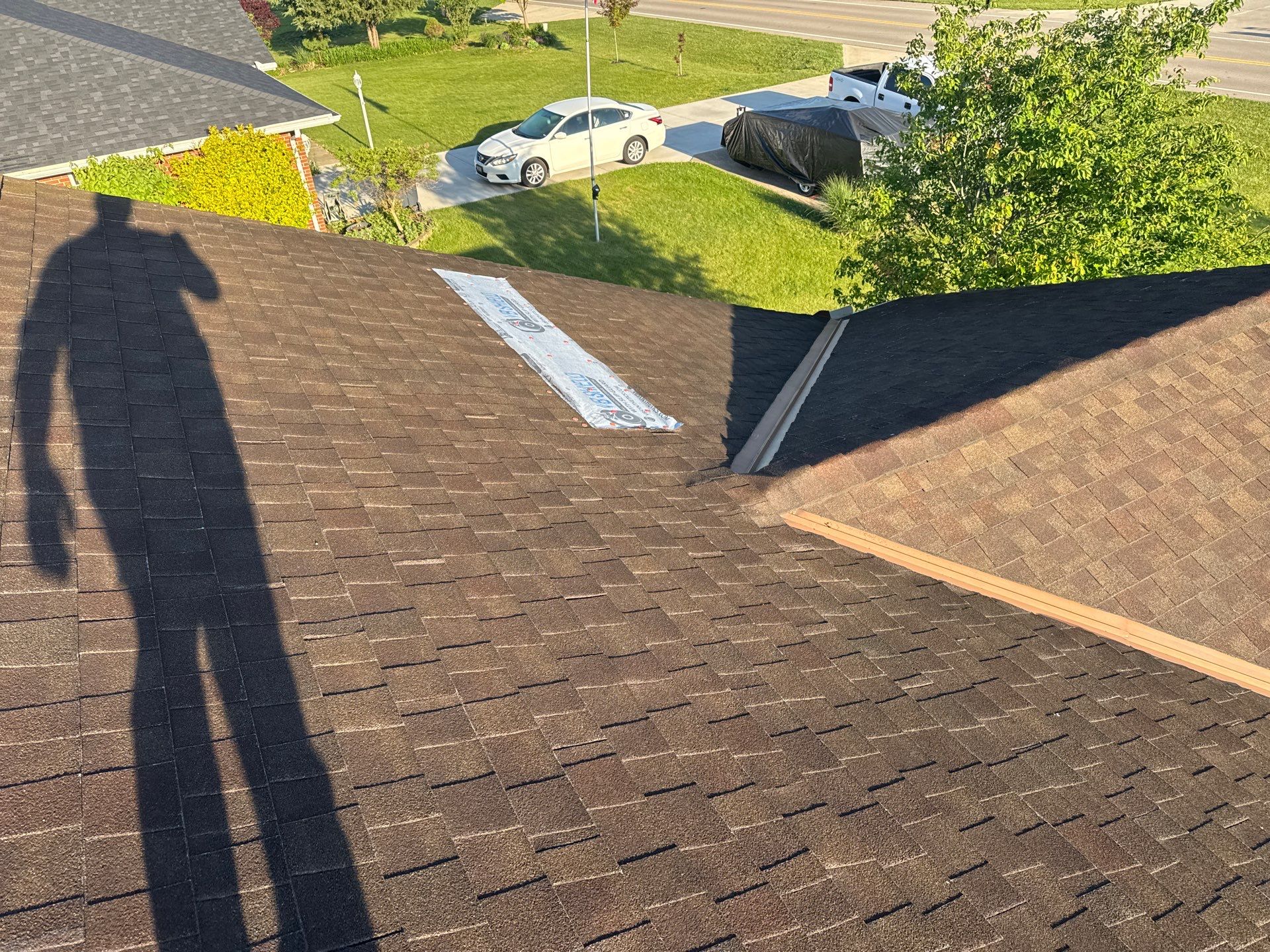
Before you do anything else, make sure the home is safe to occupy. If there's an active leak, your policy obligates you to take reasonable steps to prevent further damage — that means tarping a roof breach or covering a broken window. Save every receipt. Do not start permanent repairs.
Step 2: Document Everything Before You Touch It
Walk the property with your phone and take wide shots, medium shots, and close-ups of every affected area. Photograph the date and time on a phone if possible. Capture interior water stains, exterior impact marks, and any debris. Video walk-throughs are even better.
Step 3: Get an Independent Inspection
Before you call your insurance company, get a licensed local contractor to inspect the damage. A trained eye will identify storm damage you can't see from the ground — bruised shingles, soft metal vents, granular loss patterns — and give you a written scope. We provide free post-storm inspections as part of our roof repair process.
Be cautious of contractors who knock on your door uninvited after a storm. After every major Ohio weather event, out-of-state crews flood neighborhoods, sign homeowners to one-sided contracts, and disappear when problems surface.
Step 4: File the Claim
Call your insurer's claims line, not your local agent's office. You'll receive a claim number and an adjuster will be assigned. Note the date of loss accurately — Ohio storms are usually documented by the National Weather Service, and your adjuster will cross-reference.
Step 5: Be Present for the Adjuster Inspection
Have your contractor on-site at the same time as the insurance adjuster. This is not adversarial — it's how claims get scoped correctly. The contractor can point out damage the adjuster might miss and discuss building code requirements (like ice-and-water shield) that affect the scope.
Step 6: Review the Scope and Settlement
You'll receive a written scope of damages and an initial check, usually for actual cash value (depreciated). The remaining recoverable depreciation is paid after work is completed and invoiced. If the scope misses items your contractor identified, those are supplemented — a normal back-and-forth part of the process. For full replacements, our overview of roof replacement explains what's typically included.
Common Mistakes That Sink Claims
- Signing a contractor's "assignment of benefits" without understanding what you're giving up
- Starting permanent repairs before the adjuster inspects
- Filing too late — most policies require prompt notice, and Ohio's discovery rule has limits
- Accepting the first settlement without contractor review
- Letting a storm-chasing contractor bind you to a contract on the day of the storm
One Honest Caveat
Not every storm causes claim-worthy damage, and filing claims that get denied can still affect your record. A pre-claim contractor inspection saves homeowners from filing when damage is below the deductible — and from missing real damage they couldn't see.
ACI Contractors works alongside Ohio homeowners and their insurers every storm season. If you've taken a hit and aren't sure what to do next, call us before you call anyone else.